
Completed ruminant projects in 2026
Für deutschsprachige Projekte im Bereich Wiederkäuer 2026 klicken Sie bitte hier
For German-language projects in the field of ruminants in 2026, please click here
June 2026
The Köllitsch Teaching and Research Farm in Arzberg (Free State of Saxony, Germany) invited me as a guest lecturer to conduct three distinct practical training sessions on Low Stress Stockmanship for livestock farmers.
These training days focused entirely on low-stress handling methods for pigs, suckler cows, and sheep.
The core objective of the sessions was to address a critical question: How can livestock be handled in an animal-friendly, safe, and efficient manner? Because animal welfare, workplace safety, and operational efficiency are receiving increasing public and professional attention. Organizing these targeted practical training sessions and seminars for various agricultural sectors at a single, centralized location represents a significant and welcome advancement for the industry. During the hands-on sessions, participants learned how to leverage the natural behavior of animals through Low Stress Stockmanship, thereby reducing animal stress, enhancing workplace safety, and optimizing daily operations.
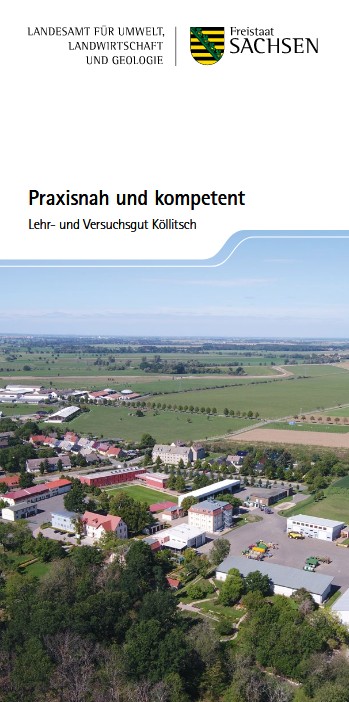
Photo source: Lehr- und Versuchsgut Köllitsch
April 2026
Working Visit to Switzerland: The Research Institute of Organic Agriculture (FiBL) in Frick
The agenda featured three days of practical training sessions and seminars on Low Stress Stockmanship, specifically tailored for dairy cattle, suckler cows, and pigs.
Participants included FiBL scientists, meat processing industry representatives, and numerous engaged livestock farmers.
I adapted both the theoretical and practical components to align with Swiss agricultural conditions, ensuring a fully customized approach.
In Switzerland, the cultural mindset and approach toward livestock management and nature are unique; furthermore, the cattle and pigs respond differently to human interaction and handling techniques.
Low Stress Stockmanship relies on the timely recognition of animal behavioral signals and executing the appropriate response. Applying these core principles allows even the most dominant dairy cows, flanked by impressive horns, to be moved easily, safely, and efficiently.
The Research Institute of Organic Agriculture (FiBL) is one of the world's leading institutions in the field of organic farming. Characterized by a strong focus on interdisciplinary research, FiBL excels in collaborating with farmers and the food sector to develop innovative solutions. This approach prioritizes practical, solution-oriented development projects and the rapid transfer of knowledge from research to agricultural practice. In addition to applied research, FiBL specializes in advisory services, comprehensive training programs, and knowledge dissemination through technical studies, brochures, books, and digital platforms.
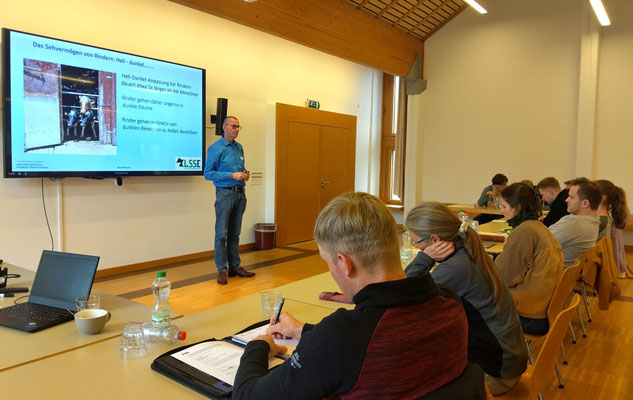
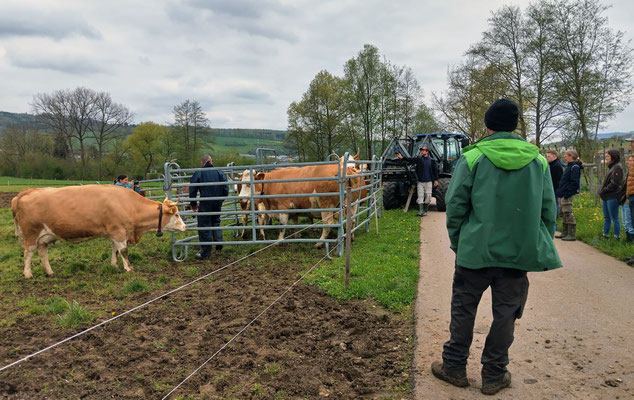
Photo source: Anna Jenni (FiBL)
April 2026
Refresher Course in Low-Stress Cattle Handling for Support Workers at Care Farm Pitteperk (Maatschap Dreessen) in Koudekerke, the Netherlands
The primary objectives of this refresher course focused on ensuring client safety and promoting the animal-friendly, safe, and efficient handling of dairy and beef cattle.
The participating support workers and dairy farmers experienced a highly educational and engaging day, which was carefully tailored to their specific operational environment.
To further enhance the quality of support provided to clients, short videos were recorded to analyze specific, real-world work scenarios at Care Farm Pitteperk.
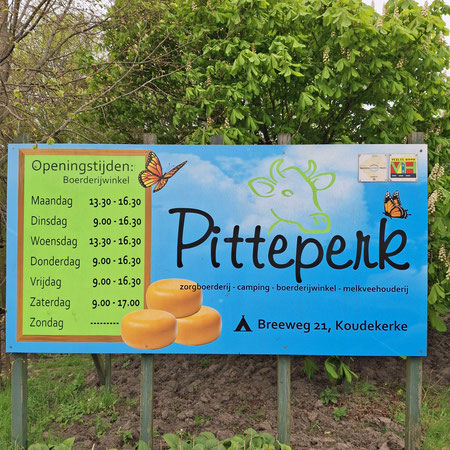
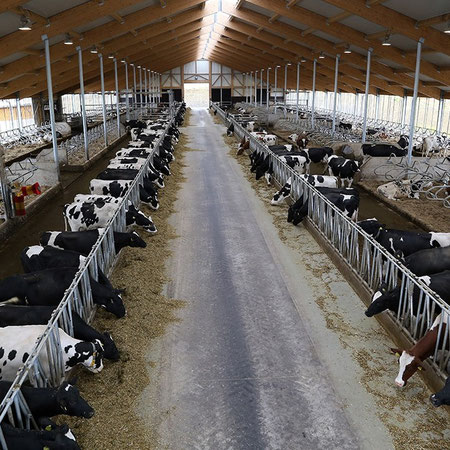
Photo source: Ronald Rongen
April 2026
REFRESHER COURSE - LOW-STRESS CATTLE HANDLING - FOR HOOF TRIMMERS OF THE DUTCH CATTLE PEDICURE CENTER (RPC ABIANT BEDRIJFSVERZORGING, BEDUM)
In Winsum (Groningen), I was guest at a dairy farm to provide the group of hoof trimmers with a refresher course on the theme of "safe, efficient, and animal-friendly cattle handling."
The focus was on the explanation and practical application of the Low Stress Stockmanship method while performing hoof care at various cattle farms.
For this hoof trimmers, it was a great opportunity to exchange knowledge and gather useful tips that can be applied immediately.
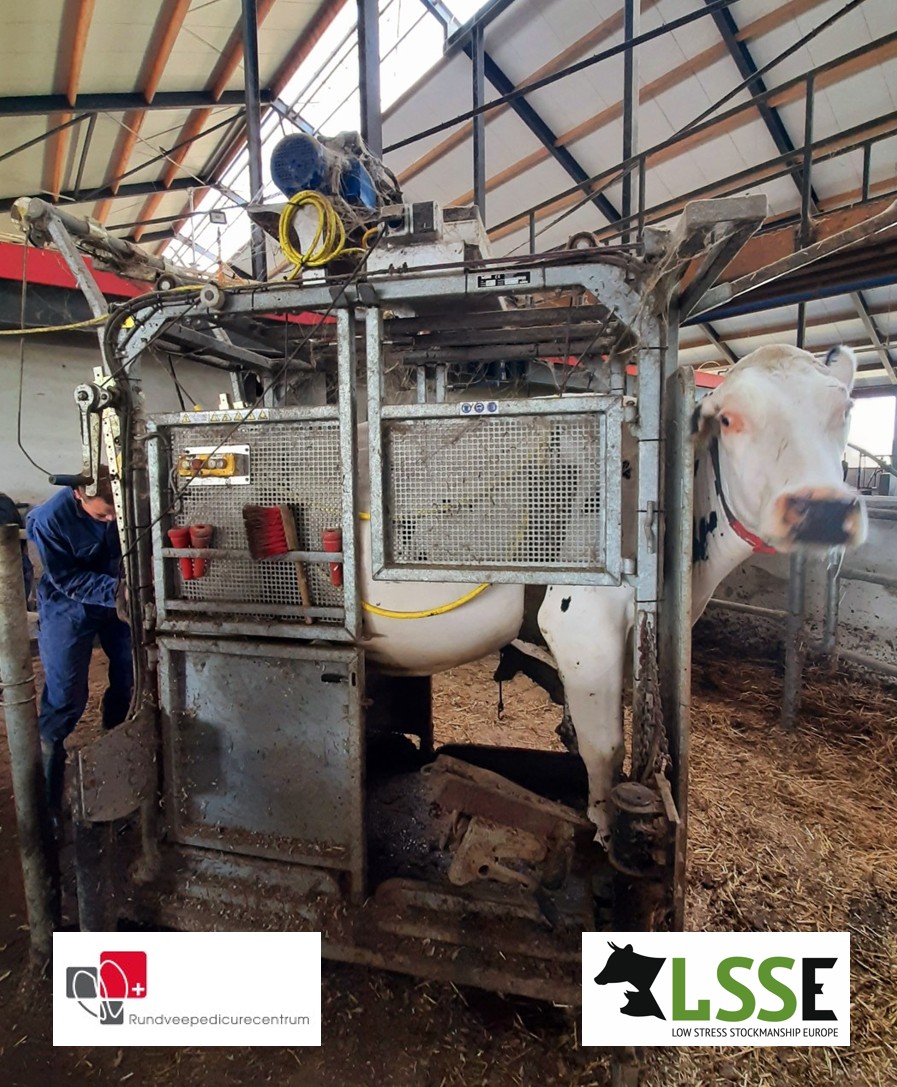
Photo source: Ronald Rongen
March 2026
Presentation of the Jan Voordouw Award for Humane Progress
On March 5, 2026, I was unexpectedly honored with the Jan Voordouw Award for Humane Progress. The award was presented by Lesley Moffat, founder and director of the international animal welfare organization Eyes on Animals, in recognition of my dedicated educational work regarding animal welfare in calf husbandry.
The presentation took place at the International Calf-at-Foot Dairy Farmers Conference in Lievelde, the Netherlands, an event co-organized by Kalverliefde and Eyes on Animals.
Approximately 65 participants—including dairy farmers, scientists, veterinarians, and animal welfare representatives—exchanged insights and experiences on mother-bonded calf rearing through a series of lectures, presentations, and panel discussions.
The conference program concluded with site visits to several dairy farms across the Netherlands.
Opponents of this husbandry system often contend that mother-bonded calf rearing is logistically unfeasible or even irresponsible. While diverse professional opinions are a natural part of the industry discourse, my stance remains that a respectful approach toward and between humans and animals must always be the foundational prerequisite. Every human action triggers a corresponding reaction in both people and animals—a fundamental principle upon which Low Stress Stockmanship is built.
Reflections on Receiving the Jan Voordouw Award for Humane Progress:
I had the privilege of knowing Jan personally and working alongside him prior to his untimely passing from cancer on November 7, 2024. As a dedicated butcher in the Netherlands, he consistently shared his compassion, professional expertise, and practical skills in respectful animal handling with profound commitment and a pragmatic sense of reality. Furthermore, he volunteered his extensive knowledge to Eyes on Animals to foster humane practices and improve animal welfare standards both domestically and internationally, particularly where urgent intervention was required.
He was an outstanding individual with an immense heart for both people and animals.
Jan took decisive action, which invariably created a lasting impact. Jan's legacy lives on.
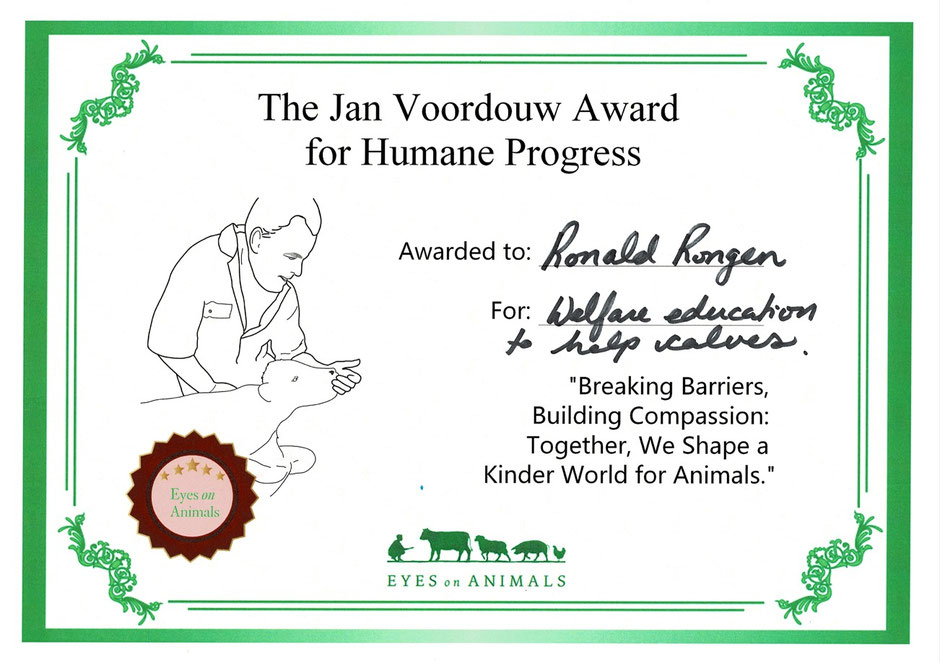
Photo source: Ronald Rongen
March 2026
Annual Farmers' Evening in Westerbork (Drenthe, the Netherlands), Organized by Veterinary Practice "Het Drentse Hart"
On March 3, 2026, veterinary practice "Het Drentse Hart" hosted its annual farmers' evening. The event was highly successful, drawing a large number of deeply engaged dairy farmers.
The presentations and discussions during the evening once again clearly demonstrated that the implementation of Low Stress Stockmanship has a demonstrably positive influence on reducing non-infectious hoof disorders in dairy cattle. Minimizing these disorders directly correlates with an increased productive lifespan for dairy cows, highlighting that every operational detail in handling and care is vital. Through targeted and minor adjustments, livestock managers can achieve significant advancements in this area.
The presentation also featured a distinctive visual element: a pair of yellow boots on the stage.
At the commencement of the event, these boots were met with skepticism and curiosity from the audience. However, by the conclusion of the lecture on bovine behavior, the participants fully appreciated how such practical tools can be highly effective in optimizing daily cattle handling operations.
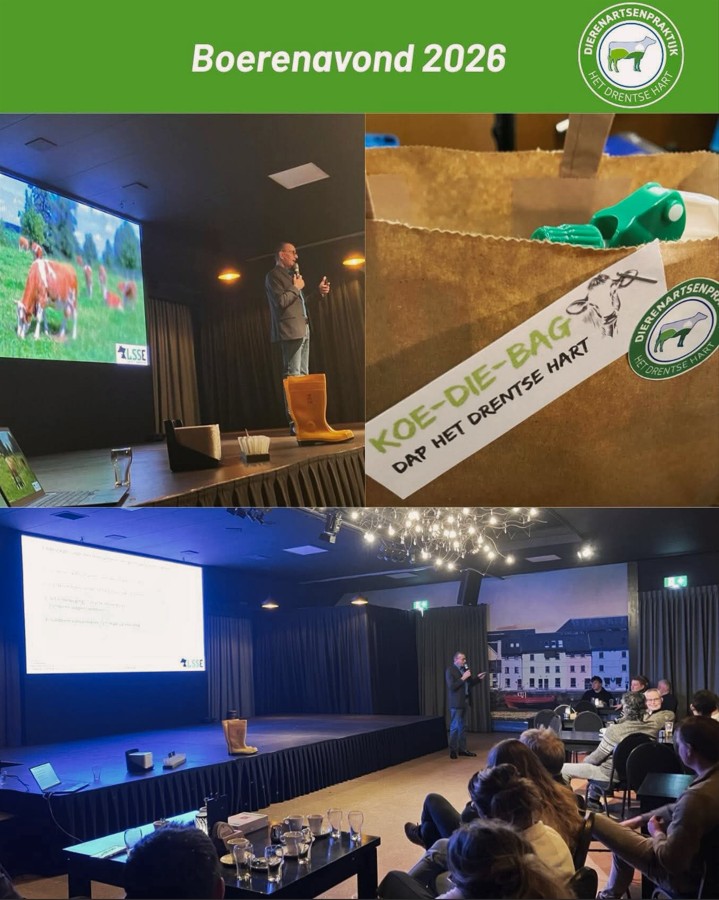
Photo source: Bernd Hietberg

February 2026
ONE-DAY WORKSHOP ON LOW-STRESS STOCKMANSHIP FOR DAIRY FARMERS IN HEEG, THE NETHERLANDS
(ON BEHALF OF ATO BEDRIJFSTRAININGEN)
For this one-day workshop, I visit the dairy farm of Mts. A. Huitema and W. Huitema-de Boer.
This dairy farm milks approximately 150 dairy cows, using two Lely milking robots.
In the morning part of the workshop, we discussed useful facts and practical information about cattle behaviour.
All practical and applicable by the participants in their own farm situations.
After lunch, we moved on to the practical part in the cowshed, starting with the calves, then the young stock and heifers, and finally the gestating and lactating dairy cows. The aim was to highlight the differences in cattle behaviour and reactivity in each of the above age categories.
Why is this important?
If you want to get the most out of this low-stress way of handling cattle, (both for humans and animals), it is best to start with the calf group.
Children learn through structured and consistent upbringing and approach, the same applies to cattle!

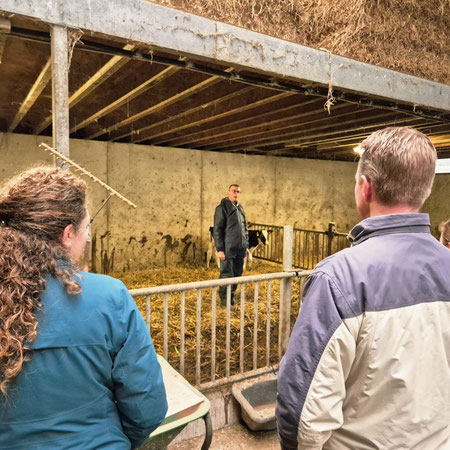
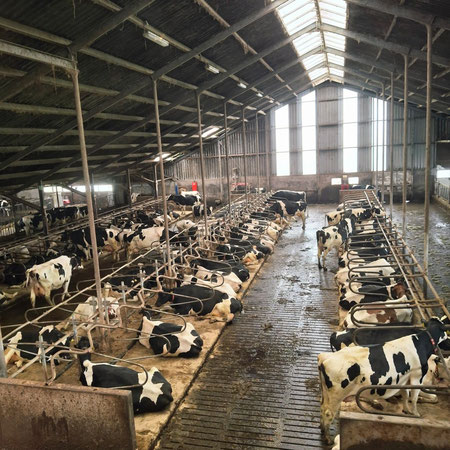
Source text Ronald Rongen, photos: AB Vakwerk and Ronald Rongen
January 2026
VETERINARY PRACTICE “DIERENARTSEN BLOKZIJL” HELD AN EVENING EVENT FOR ITS SHEEP FARMERS ON THE TOPIC OF “LOW-STRESS SHEEP HANDLING” IN BLOKZIJL, THE NETHERLANDS
Veterinarian Klaas H. Heijnen of “Dierenartsen Blokzijl” asked me to give a lecture to the sheep farmers visiting his practice on the theme “SHEEP BEHAVIOR AND THE ROLE OF THE SHEEP FARMER.”
Of course, I couldn't say no.
The audience was well filled with around 100 sheep farmers.
Those present enjoyed a pleasant, educational, and informative evening.
Afterwards, a sheep farmer came up to me and told me that he had been keeping sheep for 43 years, but had learned a lot of new and practical information this evening.
That is the purpose of these evening events: to facilitate the informal exchange of knowledge between sheep enthusiasts and fellow professionals!
Source pictogram Ronald Rongen
January 2026
ONE-DAY WORKSHOP ON LOW-STRESS STOCKMANSHIP FOR DAIRY FARMERS AND HOOF CARE SPECIALISTS ON BEHALF OF ATO BEDRIJFSTRAININGEN IN LEEUWARDEN, THE NETHERLANDS
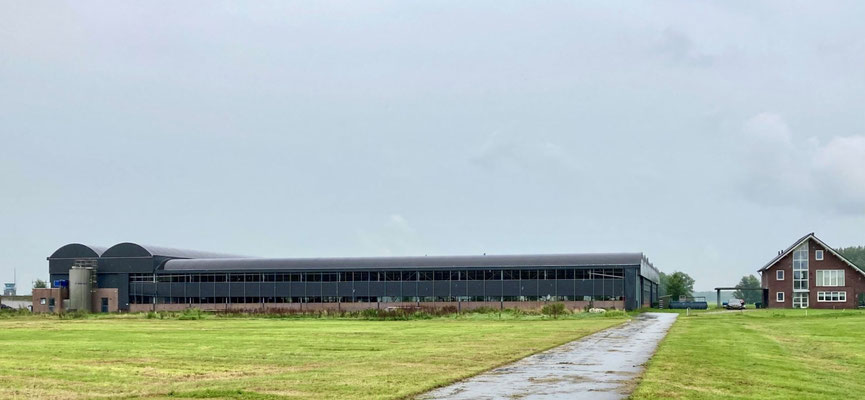
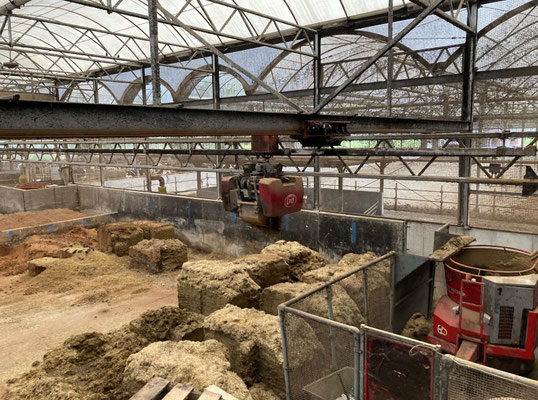
For this one-day workshop, I visit the dairy farm of Mts. Tamminga in Leeuwarden.
The dairy farm has approximately 300 dairy cows that are milked using five Delaval milking robots.
In the morning part of the workshop, we discussed useful facts and practical information about cow behavior. All practical and applicable by the participants in their own farm situations.
After lunch, we moved on to the practical part in the cowshed, because theory is one thing, but I believe practice is just as important!
All participants had an informative day, with special thanks to ATO Bedrijfstrainingen and the passionate farm owner, Mrs. Anke Edens-Tamminga.
Source photos Ronald Rongen